
Tourism
Overview
Transforming Destinations into Sustainable Economic Opportunities
Tourism is one of the world's most interconnected industries, bringing together culture, heritage, nature, business, innovation, and community development. A successful destination is not defined only by the number of visitors it attracts, but by the quality of experiences it delivers, the livelihoods it creates, the heritage it protects, and the long-term value it generates for society.
At SEPS Nepal Research Institute, we conduct strategic tourism research that helps governments, destination management organizations, investors, development partners, and local communities create competitive, resilient, and sustainable tourism ecosystems. Our research moves beyond visitor statistics to examine the complete destination economy—from infrastructure and accessibility to environmental conservation, digital marketing, policy, and visitor experience.
Destination Value Model
Tourism Intelligence Framework
Tourism decisions require balancing economic growth with environmental and social responsibility.
Research Dimension | Key Focus | Why It Matters |
|---|---|---|
Visitor Economy | Spending patterns and market trends | Maximizes economic impact |
Destination Competitiveness | Comparative destination performance | Strengthens market positioning |
Sustainable Tourism | Environmental and cultural preservation | Protects future generations |
Tourism Investment | Infrastructure and business opportunities | Encourages sustainable growth |
Visitor Experience | Satisfaction, accessibility, and quality | Increases destination loyalty |
Priority Research Themes
Destination Planning
Developing long-term tourism strategies based on carrying capacity, regional development, infrastructure, and environmental sustainability.
Cultural & Heritage Tourism
Researching ways to preserve cultural identity while generating economic opportunities for local communities.
Nature & Adventure Tourism
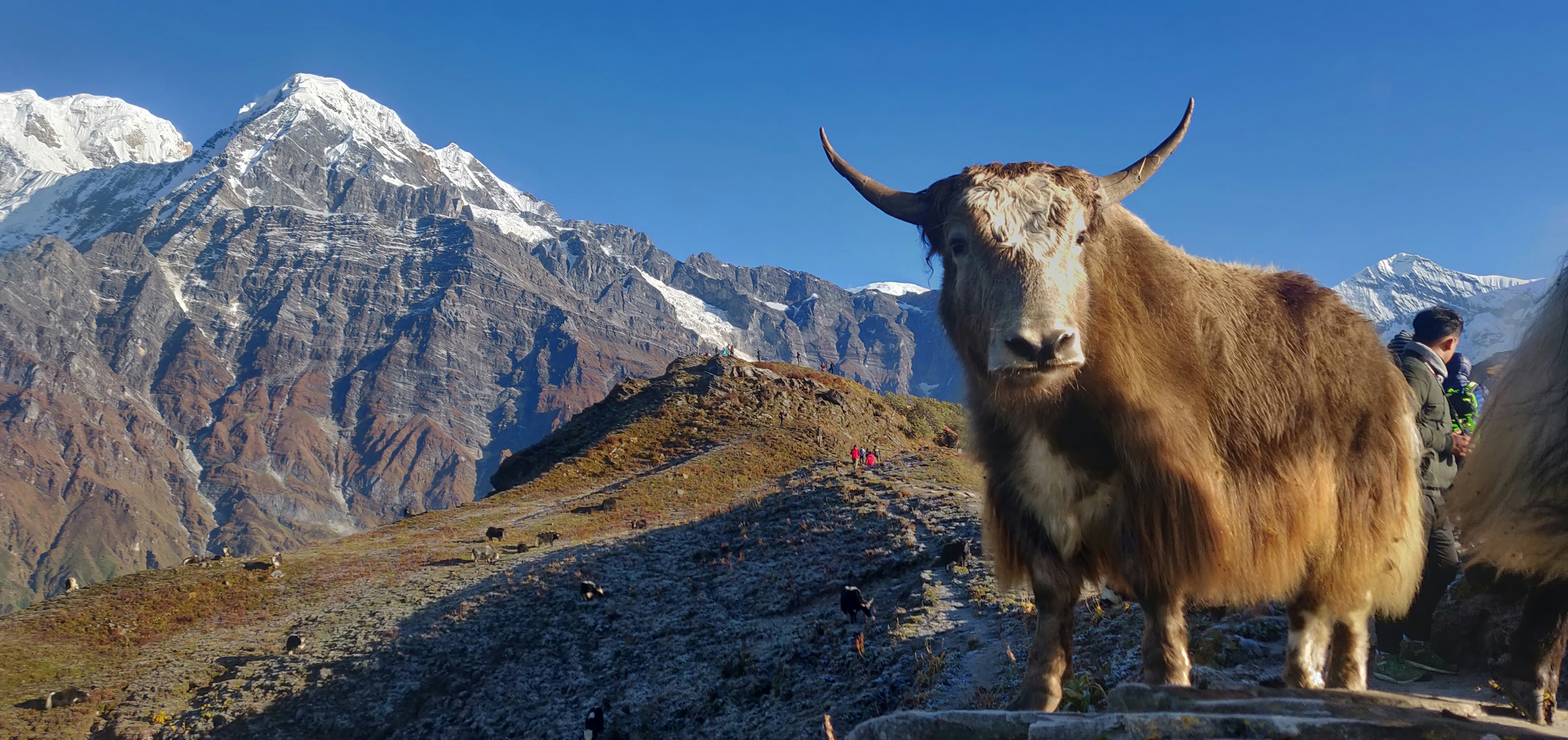
Supporting evidence-based development of ecotourism, trekking, wildlife tourism, mountain tourism, and protected landscapes.
Tourism Economics
Assessing tourism's contribution to employment, GDP, investment, regional development, and foreign exchange earnings.
Smart Tourism
Exploring digital technologies including destination analytics, GIS mapping, visitor behavior analysis, digital marketing, and AI-enabled tourism services.
Tourism Research Portfolio
Strategic Planning | Visitor Research | Sustainability |
|---|---|---|
Destination Planning | Visitor Behaviour | Climate-Resilient Tourism |
Tourism Policy | Market Segmentation | Protected Area Management |
Regional Development | Experience Design | Responsible Tourism |
Investment Studies | Customer Satisfaction | Biodiversity Conservation |
Destination Branding | Digital Tourism | Community Empowerment |
The Destination Performance Scorecard
Rather than measuring tourism solely through visitor arrivals, SEPS evaluates destination performance using a balanced framework.
Indicator | Evaluation Focus |
|---|---|
Destination Attractiveness | Natural, cultural, and recreational assets |
Accessibility | Transportation, connectivity, and mobility |
Visitor Experience | Service quality and overall satisfaction |
Local Economic Benefits | Employment, entrepreneurship, and income generation |
Environmental Sustainability | Resource protection and ecological resilience |
Community Participation | Local engagement and inclusive development |
Investment Readiness | Infrastructure, governance, and business climate |
Our Collaborative Partners
Tourism development requires coordinated action across multiple sectors.
SEPS works with:
National Tourism Boards
Provincial & Local Governments
Protected Area Authorities
Cultural Heritage Institutions
Destination Management Organizations
Tourism Entrepreneurs & Investors
International Development Agencies
Universities & Research Institutions
Through collaborative research, we help destinations become more competitive, resilient, and sustainable.
Why SEPS?
Our tourism research integrates economics, geography, environmental science, public policy, digital innovation, and community development into a single evidence-based framework.
Our expertise includes:
Tourism Economics & Impact Assessment
Destination Competitiveness Analysis
Visitor Behaviour & Market Intelligence
Ecotourism & Nature-Based Tourism
Cultural & Heritage Tourism Research
Tourism Investment & Feasibility Studies
Smart Tourism & Digital Innovation
Sustainable Destination Planning
Community-Based Tourism Development
Tourism Policy & Governance
Building Destinations That Endure
Tourism should create value not only for visitors but also for communities, ecosystems, businesses, and future generations. SEPS Nepal Research Institute is committed to advancing tourism through research that protects heritage, strengthens local economies, supports innovation, and encourages responsible destination management.
By connecting research with real-world tourism challenges, we help transform destinations into engines of sustainable development, cultural preservation, and inclusive prosperity.
Want to collaborate?
Partner with us on research projects, policy analysis, or capacity building.
Contact us