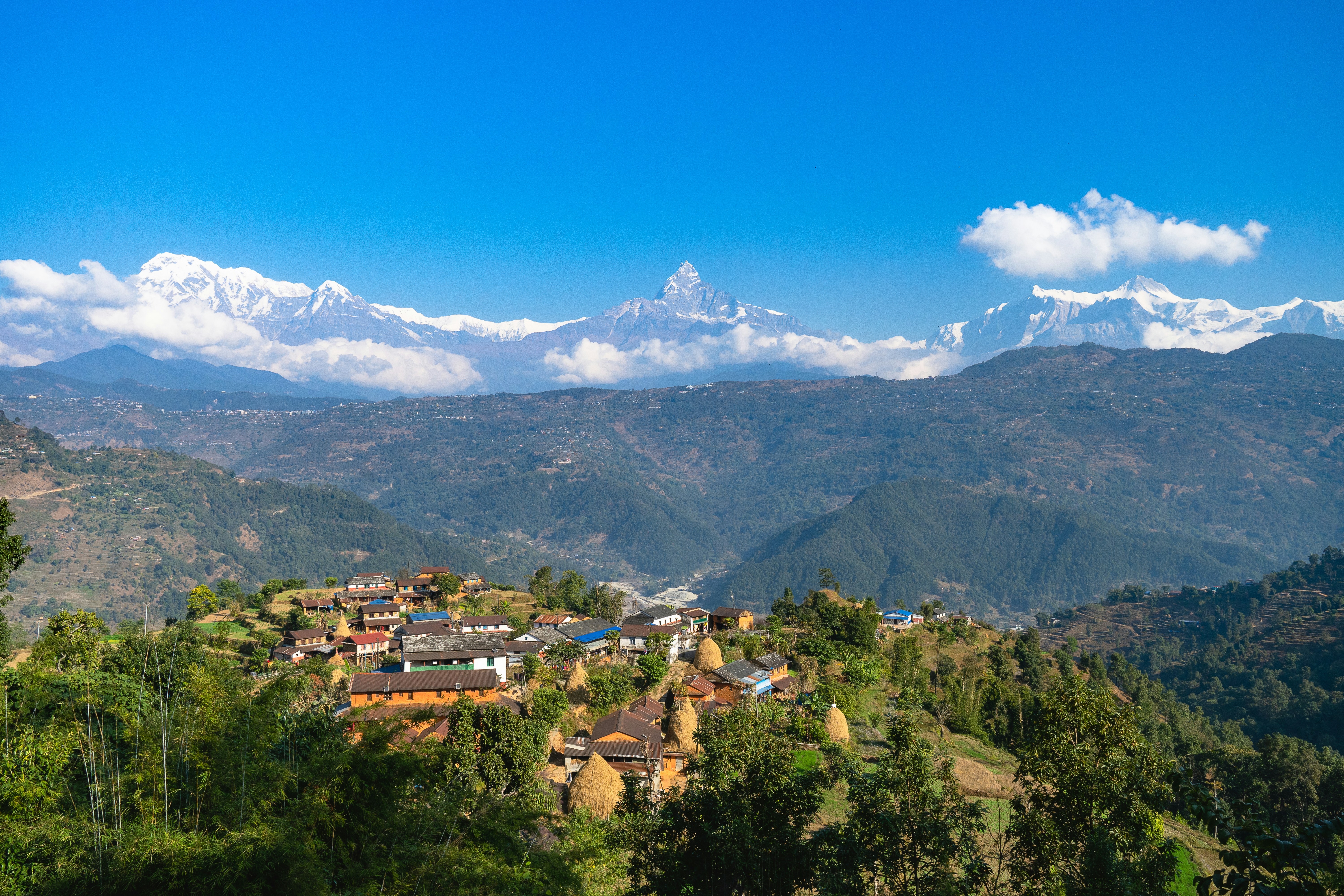

Biodiversity and Climate Research
Preserving natural resources to ensure economic viability for future generations.
Overview
Conserving Nature, Strengthening Communities, and Building Climate Resilience
Biodiversity is the foundation of life on Earth, supporting ecosystems that provide food, clean water, fertile soil, medicine, and countless other resources essential for human well-being. However, climate change, habitat degradation, pollution, and unsustainable resource use are placing increasing pressure on natural ecosystems. Protecting biodiversity is therefore essential not only for environmental conservation but also for sustainable economic development and the well-being of future generations.
At SEPS Nepal Research Institute, we conduct interdisciplinary research that explores the connections between biodiversity, climate change, natural resource management, and sustainable development. Our research helps governments, development partners, conservation organizations, and local communities design evidence-based policies and practical strategies to protect ecosystems while promoting inclusive economic growth.
By combining scientific research, field studies, geospatial analysis, and stakeholder engagement, SEPS provides actionable recommendations that strengthen environmental governance, improve ecosystem resilience, and support sustainable livelihoods.
Our Research Areas
SEPS conducts research across a broad range of environmental and climate-related topics, including:
Biodiversity Conservation
Climate Change Adaptation and Mitigation
Forest and Watershed Management
Wildlife and Habitat Conservation
Ecosystem Services Valuation
Sustainable Agriculture and Land Management
Water Resources and Environmental Sustainability
Climate Risk and Vulnerability Assessment
Disaster Risk Reduction
Environmental Policy and Governance
Our Research Approach
Our multidisciplinary approach integrates scientific methods with community knowledge to generate practical and policy-relevant findings.
Research Component | Purpose |
|---|---|
Literature Review | Examine existing research and policy frameworks |
Field Surveys | Collect ecological and socio-economic data |
GIS & Spatial Analysis | Map ecosystems, land use, and environmental changes |
Climate Risk Assessment | Identify vulnerable ecosystems and communities |
Stakeholder Consultation | Engage local communities, experts, and policymakers |
Data Analysis | Produce evidence-based findings and recommendations |
Policy Development | Support sustainable environmental planning |
Key Research Services
SEPS Nepal Research Institute offers comprehensive consulting and research services in biodiversity and climate studies.
Service | Description |
|---|---|
Biodiversity Assessment | Evaluation of ecosystems, habitats, and species diversity |
Environmental Impact Assessment (EIA) | Assessment of environmental impacts of projects and policies |
Climate Vulnerability Assessment | Identification of climate-related risks and adaptation priorities |
Natural Resource Management | Sustainable planning for forests, water, and land resources |
Ecosystem Services Analysis | Valuation of ecosystem benefits for communities and economies |
Climate Policy Research | Analysis of environmental policies and governance systems |
Conservation Planning | Development of biodiversity conservation strategies |
Sustainable Development Research | Integrating environmental sustainability into development planning |
Why Biodiversity Matters
Healthy ecosystems provide essential services that support both nature and society. Conserving biodiversity contributes to:
Food security and sustainable agriculture
Clean water and watershed protection
Climate regulation and carbon sequestration
Disaster risk reduction
Sustainable tourism opportunities
Livelihood improvement for local communities
Long-term economic resilience
Protection of endangered species and habitats
Research Methodologies
To ensure high-quality and reliable results, SEPS employs internationally recognized research methodologies, including:
Quantitative and Qualitative Research
Ecological Surveys
Household and Community Surveys
Participatory Rural Appraisal (PRA)
Geographic Information Systems (GIS)
Remote Sensing Analysis
Statistical and Econometric Analysis
Climate Scenario Modeling
Environmental Monitoring and Evaluation
Expected Outcomes
Our research is designed to generate practical impacts for policymakers, organizations, and communities.
Environmental Outcomes
Improved biodiversity conservation strategies
Enhanced ecosystem resilience
Better natural resource management
Stronger climate adaptation planning
Social Outcomes
Increased community participation
Improved livelihood opportunities
Greater environmental awareness
Strengthened local institutions
Economic Outcomes
Sustainable use of natural resources
Support for green economic growth
Improved productivity in biodiversity-dependent sectors
Long-term environmental and economic sustainability
Why Choose SEPS Nepal Research Institute?
Our biodiversity and climate research combines scientific excellence with practical implementation.
Highlights
Evidence-based environmental research
Multidisciplinary team of experts
Modern GIS and spatial analysis techniques
Community-centered research approach
International research standards and ethical practices
Policy-oriented recommendations
Data-driven environmental decision-making
Strong collaboration with governments, NGOs, INGOs, and academic institutions
Building a Sustainable Future Together
At SEPS Nepal Research Institute, we believe that conserving biodiversity and addressing climate change are essential for achieving sustainable development. Through rigorous research, innovative analysis, and collaborative partnerships, we generate knowledge that supports resilient ecosystems, thriving communities, and informed environmental governance.
Our commitment is to provide reliable research and practical solutions that help protect natural resources today while ensuring a healthier, more sustainable future for generations to come.
Want to collaborate?
Partner with us on research projects, policy analysis, or capacity building.
Contact us